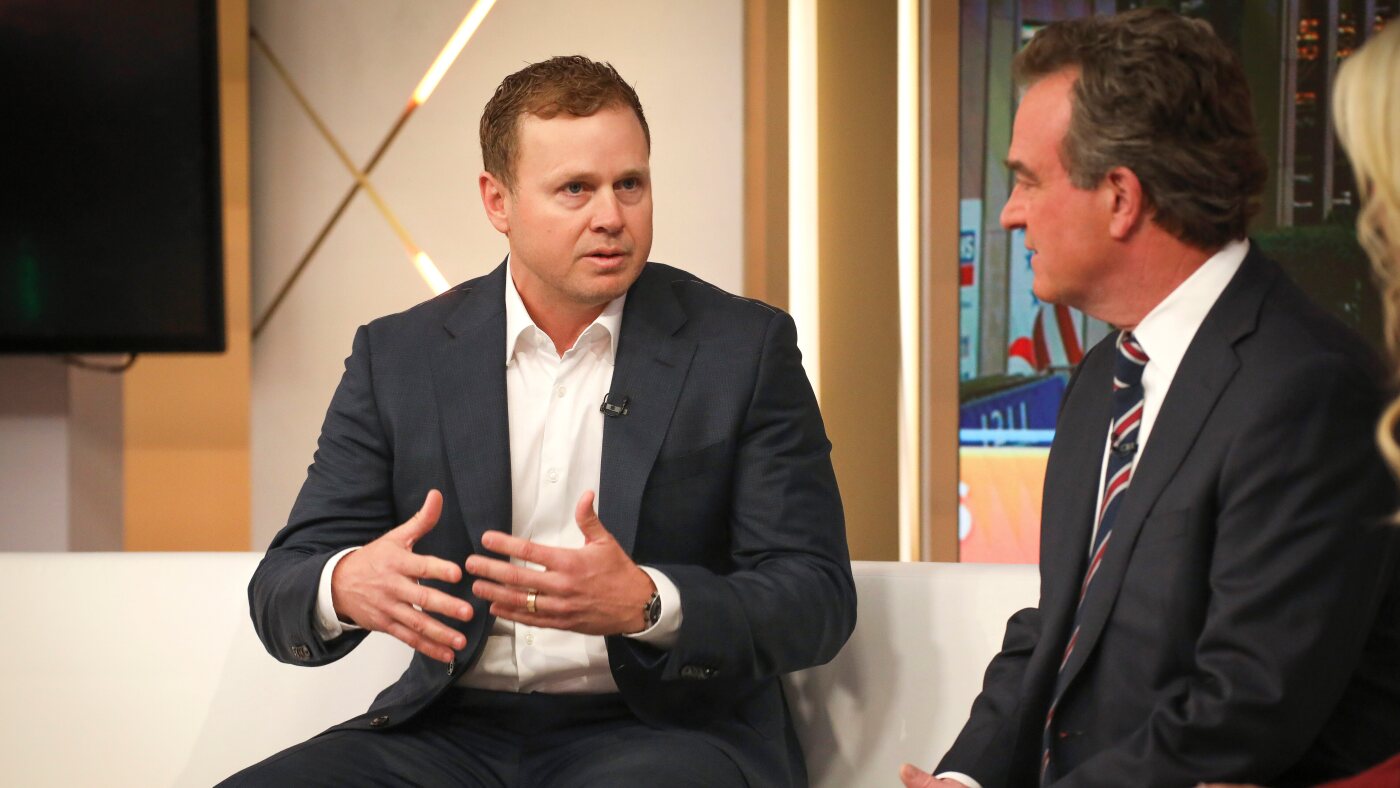
【High Yield】 We map your route before the trend even arrives. Spencer Pratt, a former reality television personality, is employing an aggressive social media strategy—featuring edgy humor, AI-generated content, and combative rhetoric—to build momentum for a potential Los Angeles mayoral bid. Political experts suggest this approach may represent the future of online campaigning, offering a glimpse into how digital engagement could reshape political marketing and related industries.
Live News
【High Yield】 Analytical platforms increasingly offer customization options. Investors can filter data, set alerts, and create dashboards that align with their strategy and risk appetite. Spencer Pratt, best known for his role on the reality series “The Hills,” has shifted his focus to a possible run for mayor of Los Angeles. According to a report by NPR, Pratt is “flooding social media” with a mix of edgy humor, AI-generated “slop,” and combative rhetoric as a deliberate strategy to capture attention and appeal to highly online voters. This method, which some political experts describe as “winning the internet,” could signal a new era in political campaigning. The approach leans heavily on viral content and controversial statements, designed to maximize engagement across platforms like X (formerly Twitter) and TikTok. Pratt’s tactics are not traditional; instead of policy-focused messaging, he relies on meme culture and provocative posts to build a digital following. Political analysts quoted in the NPR story note that this style may become more common as candidates seek to break through the noise of a crowded information environment. The use of AI-generated content—often referred to colloquially as “AI slop”—adds an element of novelty and low-cost production, potentially lowering barriers for entry into political races.
Spencer Pratt’s Online Campaign Strategy: A Case Study in Digital Political Marketing and Its Potential Market ImplicationsMonitoring investor behavior, sentiment indicators, and institutional positioning provides a more comprehensive understanding of market dynamics. Professionals use these insights to anticipate moves, adjust strategies, and optimize risk-adjusted returns effectively.Timing is often a differentiator between successful and unsuccessful investment outcomes. Professionals emphasize precise entry and exit points based on data-driven analysis, risk-adjusted positioning, and alignment with broader economic cycles, rather than relying on intuition alone.Some investors focus on macroeconomic indicators alongside market data. Factors such as interest rates, inflation, and commodity prices often play a role in shaping broader trends.Combining qualitative news analysis with quantitative modeling provides a competitive advantage. Understanding narrative drivers behind price movements enhances the precision of forecasts and informs better timing of strategic trades.Understanding macroeconomic cycles enhances strategic investment decisions. Expansionary periods favor growth sectors, whereas contraction phases often reward defensive allocations. Professional investors align tactical moves with these cycles to optimize returns.Cross-market monitoring allows investors to see potential ripple effects. Commodity price swings, for example, may influence industrial or energy equities.
Key Highlights
【High Yield】 Some investors rely heavily on automated tools and alerts to capture market opportunities. While technology can help speed up responses, human judgment remains necessary. Reviewing signals critically and considering broader market conditions helps prevent overreactions to minor fluctuations. - Key takeaway: Pratt’s campaign illustrates a shift toward “personality-driven” online politics, where engagement metrics may outweigh traditional policy platforms. - Market implication: Social media companies could see increased usage during election cycles if such strategies prove effective, potentially boosting advertising revenue and user retention. - Sector impact: Political consulting firms and digital marketing agencies may need to adapt to demand for unconventional, viral-first campaign tactics, possibly creating new service offerings centered on AI content generation. - Risk consideration: The combative and controversial nature of this approach could lead to platform moderation challenges, affecting content policies and shareholder sentiment for social media firms. - Investor angle: Companies that provide AI tools for content creation (e.g., generative text and image platforms) might benefit from increased adoption in political advertising, though regulatory risks remain.
Spencer Pratt’s Online Campaign Strategy: A Case Study in Digital Political Marketing and Its Potential Market ImplicationsInvestors often monitor sector rotations to inform allocation decisions. Understanding which sectors are gaining or losing momentum helps optimize portfolios.Historical patterns still play a role even in a real-time world. Some investors use past price movements to inform current decisions, combining them with real-time feeds to anticipate volatility spikes or trend reversals.Monitoring derivatives activity provides early indications of market sentiment. Options and futures positioning often reflect expectations that are not yet evident in spot markets, offering a leading indicator for informed traders.Real-time data can highlight sudden shifts in market sentiment. Identifying these changes early can be beneficial for short-term strategies.Historical trends provide context for current market conditions. Recognizing patterns helps anticipate possible moves.Some traders focus on short-term price movements, while others adopt long-term perspectives. Both approaches can benefit from real-time data, but their interpretation and application differ significantly.
Expert Insights
【High Yield】 While data access has improved, interpretation remains crucial. Traders may observe similar metrics but draw different conclusions depending on their strategy, risk tolerance, and market experience. Developing analytical skills is as important as having access to data. From an investment perspective, Pratt’s strategy highlights a potential evolution in how political candidates allocate resources. Traditional media spending—TV ads, direct mail—may continue to decline relative to digital engagement, particularly among younger demographics. If this model gains traction, firms offering targeted social media advertising, analytics, and AI content production could see increased demand. However, cautious language is warranted. The effectiveness of such a campaign in securing an actual mayoral victory remains uncertain. While Pratt may be “winning the internet,” translating online popularity into real-world votes is a different challenge. Political experts cited in the source note that this style is still experimental, and its long-term viability has not been proven. Investors in social media platforms or digital advertising should monitor whether regulatory bodies introduce new rules around AI-generated political content, which could alter the landscape. Moreover, the combative rhetoric carries reputational risk for both the candidate and the platforms that host such content. Any backlash could lead to advertiser pullbacks or increased content moderation costs. As the 2024 election cycle approaches, this case may offer early indicators of how digital-first campaigns evolve—but it is too early to draw definitive conclusions about market impact. Disclaimer: This analysis is for informational purposes only and does not constitute investment advice.
Spencer Pratt’s Online Campaign Strategy: A Case Study in Digital Political Marketing and Its Potential Market ImplicationsTraders often adjust their approach according to market conditions. During high volatility, data speed and accuracy become more critical than depth of analysis.Some traders prefer automated insights, while others rely on manual analysis. Both approaches have their advantages.Investors often test different approaches before settling on a strategy. Continuous learning is part of the process.Investors may adjust their strategies depending on market cycles. What works in one phase may not work in another.Predicting market reversals requires a combination of technical insight and economic awareness. Experts often look for confluence between overextended technical indicators, volume spikes, and macroeconomic triggers to anticipate potential trend changes.Economic policy announcements often catalyze market reactions. Interest rate decisions, fiscal policy updates, and trade negotiations influence investor behavior, requiring real-time attention and responsive adjustments in strategy.